Cruises for seniors – What to expect and how to prepare

Cruises for seniors – What to expect and how to prepare

Cruise vacations continue to grow in popularity among older adults seeking relaxed and comfortable travel experiences. These journeys offer enjoyment, entertainment, and access to multiple destinations without the need for frequent packing or complicated logistics. For many retirees, time at sea provides a balanced mix of leisure and exploration. Knowing the basics of cruise travel helps to ensure smoother experiences and better decision-making when selecting itineraries, cabins, and onboard amenities suited to individual preferences. Choosing the Right Cruise Line and Ship Not all cruise ships offer the same experience. Some ships are designed with a quieter atmosphere, while others focus on high-energy entertainment. For example, smaller ships often provide easier navigation and less crowded spaces. Similarly, larger ships may offer more dining options and medical facilities. Then, there are ships with strong accessibility features that benefit those with mobility concerns. Also, itineraries with longer port stays reduce the need to rush between activities. Many cruises for elderly travelers emphasize accessibility, stable itineraries, and onboard medical support, making them well-suited to relaxed travel styles. So, selection plays a major role in ensuring comfort and convenience. Planning a Comfortable Itinerary Itinerary selection directly affects energy levels during travel. Ports of call with minimal walking distances or shuttle services can improve convenience.
Read More
Tips for creating a sustainable walking routine for seniors

Tips for creating a sustainable walking routine for seniors

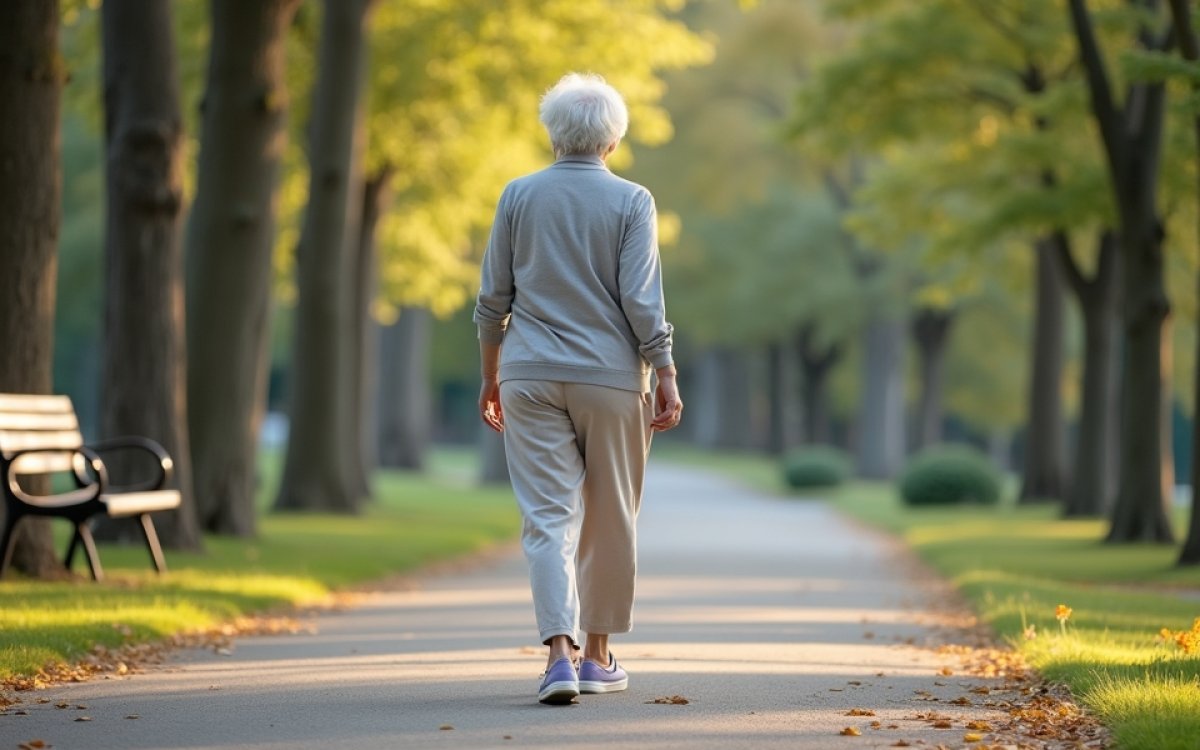
Establishing a consistent walking routine can be a great way for seniors to maintain an active life while enjoying the outdoors. Not only does it support physical well-being, but it also provides a refreshing opportunity to clear the mind and stay connected with the surrounding neighborhood. Moreover, planning a daily schedule around regular movement adds structure to the day, making each walk something to look forward to. With thoughtful preparation, these strolls can remain both comfortable and sustainable over time. Also, incorporating a few simple tips can make regular walks a foundational part of a balanced, fulfilling lifestyle. Select the Right Gear for a Comfortable Stroll A successful walking routine begins with proper footwear and attire. Shoes with cushioned soles and sturdy arch support help maintain stability on various surfaces, whether on a paved park path or a local sidewalk. High-quality moisture-wicking socks are equally important for keeping feet dry and comfortable throughout. Also, dressing in breathable layers allows for easy adjustments as the body warms up or the temperature shifts. Find the Best Times and Places to Walk A safe, scenic environment makes a significant difference in building a lasting habit. Local parks with flat, well-maintained trails offer a peaceful setting that naturally encourages longer movement.
Read More
Meal planning tips for seniors living alone

Meal planning tips for seniors living alone

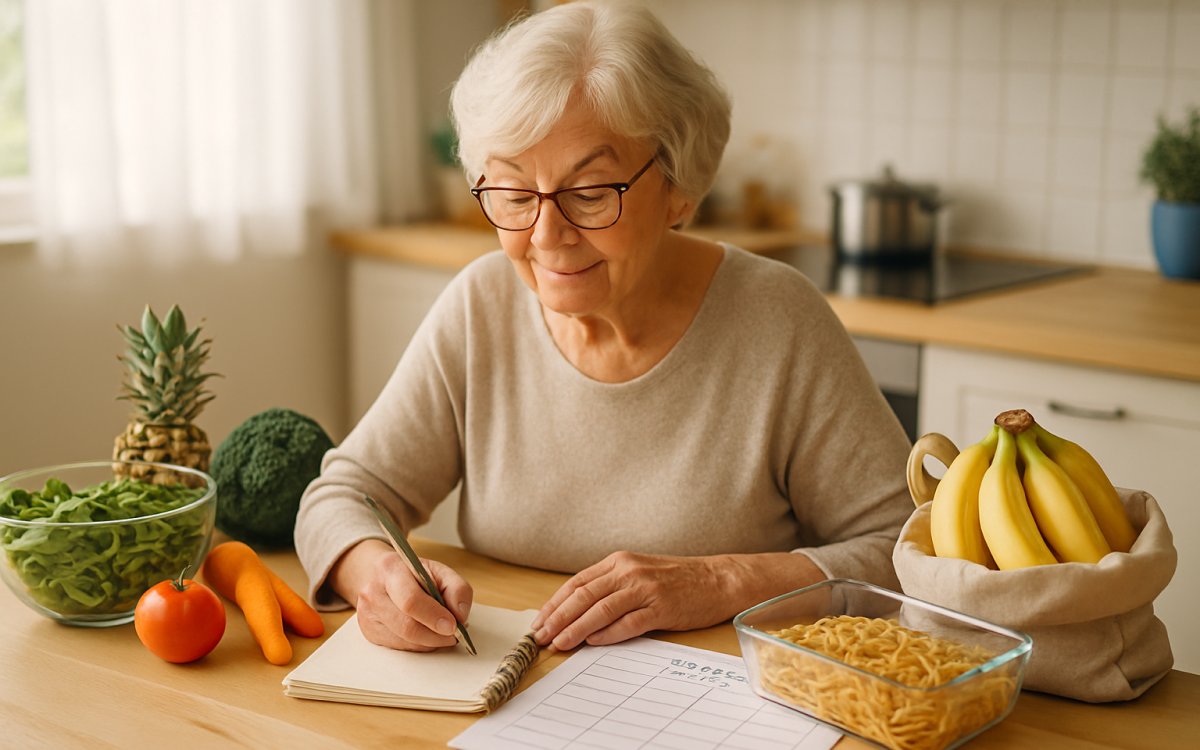
Eating well as a senior living alone requires more intention than cooking for a full household. Without a plan, it’s easy to fall into repetitive routines or skip meals altogether. Thoughtful meal planning makes it easier to manage groceries, prepare simple meals, and maintain a steady senior nutrition plan without feeling overwhelmed or wasting food. With a few practical tips, seniors living alone can build a consistent meal routine that is both manageable and nourishing. Start With a Simple Weekly Plan Creating a basic weekly outline removes the guesswork from daily meals. It helps organize grocery needs and reduces the chances of skipping meals. Keep Meals Realistic Simple meals for seniors are often the most effective. Planning dishes that require minimal preparation can make cooking feel less overwhelming and ensure consistency. Repeat Core Ingredients Using a few staple ingredients throughout the week makes meal preparation easier. This approach supports efficient cooking for one older adult while reducing waste. Shop Smart and Buy Small Quantities Grocery shopping plays a key role in successful planning. Buying smaller portions helps keep ingredients fresh and avoids excess. Having the right ingredients is pivotal to healthy living for seniors living on their own. Choose Multi-Use Ingredients Foods that can be used across different meals simplify the process.
Read More
Online learning for seniors – Popular courses and how to choose

Online learning for seniors – Popular courses and how to choose

Online learning provides a wonderful way for seniors to stay mentally active, explore new interests, and develop practical skills right from the comfort of home. From technology and arts to health and wellness, they can dive into any topic that sparks their curiosity. All that is required to get started with online learning for seniors is a device, such as a smartphone or laptop, an internet connection, and access to a reliable course. Why Online Learning Matters for Seniors Online learning changes the way older adults engage with education. They can participate from anywhere and at any time, eliminating the need to travel or follow rigid schedules. Plus, they have access to recorded sessions that make it possible to revisit subjects of interest at a comfortable pace. But flexibility is not the only thing older adults benefit from. These courses also offer interactive materials and an opportunity to join community forums. This approach encourages continued mental stimulation and helps maintain cognitive engagement. Popular Courses for Senior Learners Computer and Technology Basics One of the most common categories in online learning for seniors is technology education. These courses often cover: – Basic computer operations – Internet navigation and email use – Smartphone and tablet usage – Online safety and privacy awareness These lessons help seniors better adapt to advancing technology and become more confident when using digital devices.
Read More
Tips to help seniors sleep better

Tips to help seniors sleep better

Getting quality sleep sometimes becomes difficult, especially with age. Nights stretch longer, and rest feels just out of reach. In most cases, this shift is gradual but noticeable. It results from several factors, such as an unhealthy lifestyle, certain health conditions, and stress. The good part? Adopting certain good habits can make it much easier to fall asleep at night and wake up the next morning feeling refreshed and energized. Build Consistent Routines A consistent sleep routine is the single most powerful yet often underused tool in the toolkit. Since the brain is wired to follow patterns, having a fixed sleep routine everyday can train the internal clock to naturally wind down, helping manage insomnia in the elderly. Have a Fixed Wake Up Time A consistent wake time stabilizes the body’s internal clock. Over days, a natural sleep drive builds, and falling asleep at the right time starts to feel less like a battle. Create a 30-Minute Wind-Down Window In the half hour before bed, the goal should be deceleration. Dim the lights. Step away from screens. Reach for a quiet hobby, like reading a few pages of a book, a gentle stretch, or a warm (not hot) shower. These small rituals act as a runway into sleep, easing the transition rather than demanding an abrupt switch.
Read More
6 gardening projects for seniors to try at home

6 gardening projects for seniors to try at home

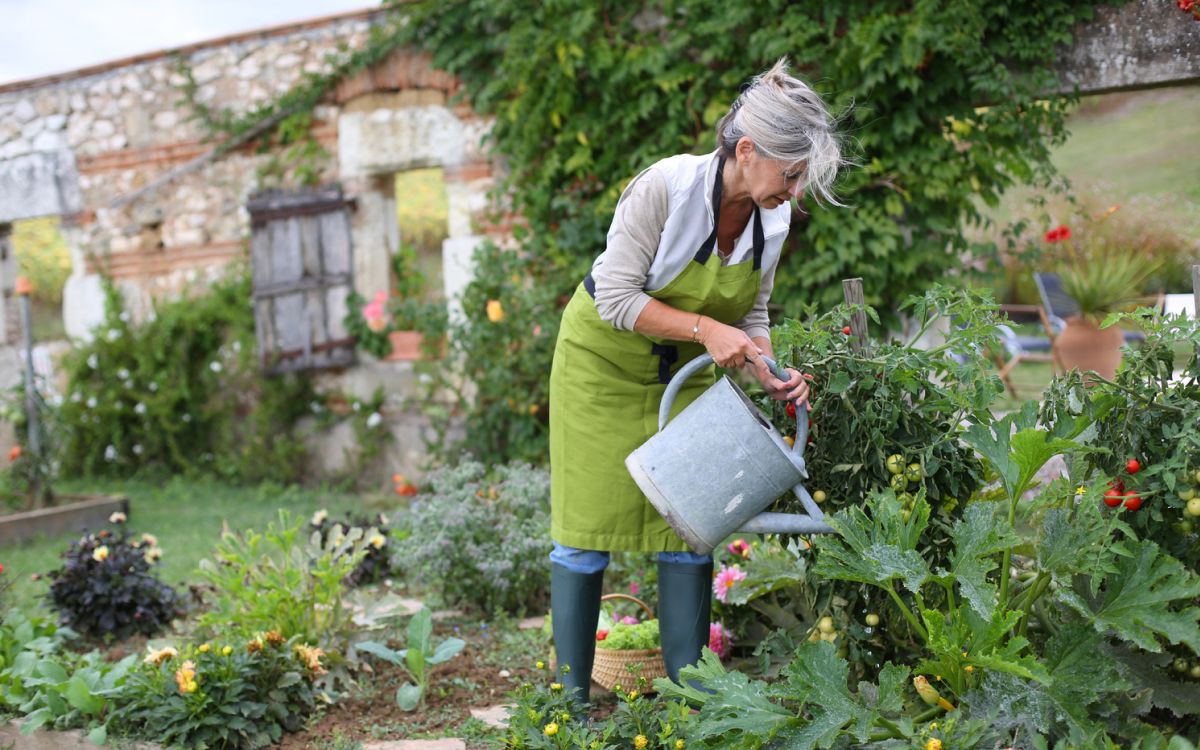
Gardening offers something that few hobbies can match: a reason to go outside, a tangible result to work toward, and a rhythm that is easy to settle into. It has also been linked to reduced stress, improved mood, and better physical mobility in older adults. Plus, gardening projects do not always need to be complex. Many of them can be scaled down to fit small spaces, limited mobility, or shorter time commitments. Start a Container Garden For seniors, container gardening is one of the most flexible and accessible ways to grow plants at home. Pots, planters, and window boxes can be placed at whatever height is most comfortable, moved indoors during cold snaps, and scaled up or down depending on available space and energy. Herbs such as basil, mint, and parsley are reliable starters, since they grow quickly, require minimal maintenance, and are used in the kitchen. Tomatoes, peppers, and lettuce also do well in containers with adequate sunlight. Build or Install a Raised Bed Raised bed gardening eliminates the need to kneel or bend low to the ground, which makes it one of the most physically comfortable ways to grow vegetables or flowers outdoors for older adults. Beds can be built at table height for those who prefer to garden from a seated position, or at a standard knee height for those who are comfortable standing.
Read More
7 DIY projects for seniors that feel calming and creative

7 DIY projects for seniors that feel calming and creative

There is something quietly satisfying about crafting things by hand. Time slows down, focus sharpens, and even simple ideas begin to feel meaningful. For older adults, DIY projects for seniors at home offer more than a way to stay occupied—they bring a sense of purpose, gentle creativity, and a steady rhythm to the day. The right home projects for seniors do not overwhelm; instead, they invite calm focus, simple steps, and a rewarding sense of completion. Hand-Painted Storage Jars Turning plain jars into decorative storage pieces is a creative activity for the elderly. Try painting glass or metal containers in soft colors or simple patterns to add personality without complexity. These jars can hold stationery, kitchen items, or small keepsakes. The process is slow and repetitive in a comforting way. Painting allows focus without pressure, while the result becomes a useful part of everyday living. Handmade Greeting Cards Creating greeting cards using paper, colors, and simple textures offers a meaningful creative outlet. Designs can range from minimal patterns to layered cutouts, depending on preference. Each card feels personal and intentional. The process encourages creativity without strict rules, and the finished pieces can be shared with loved ones, adding emotional value to the activity.
Read More
7 ways to make homes safer for seniors

7 ways to make homes safer for seniors

A home must feel like a place where anyone, including seniors, can live safely. Over time, small changes in mobility, balance, and daily rhythm can quietly influence how safe a space feels. That shift often goes unnoticed until something feels slightly off. Home safety for seniors is not about dramatic changes or rigid setups. It’s the subtle, thoughtful adjustments that blend into everyday life that make safety count. With the right balance, familiar spaces can remain comfortable, supportive, and easy to move through. Recognizing Common Risk Areas Home safety for seniors often begins with awareness. Everyday spaces may look unchanged, yet small details can quietly increase risk. Loose rugs, uneven flooring, or cluttered walkways can interrupt movement in subtle ways. Even frequently used corners or tight passages can become challenging to navigate without regular attention. Simple adjustments can make a meaningful difference. Securing rugs, clearing pathways, and slightly rearranging furniture can create a smoother flow. The goal is to reduce interruptions in movement while keeping the home’s personality intact. Keeping Pathways Clear and Open Movement through a home should feel natural, not something that requires constant effort. Narrow walkways or misplaced items can interrupt that flow. Even small obstacles can lead to hesitation over time.
Read More
7 easy day trips for seniors that are stress-free

7 easy day trips for seniors that are stress-free

A change of scenery, even for a few hours, can shift the entire mood of a day. Day trips offer that gentle escape without the effort of long travel or overnight planning. For older adults, these outings work well when they feel unhurried, comfortable, and flexible. The focus is not on covering distance, but on enjoying moments that feel light, engaging, and quietly refreshing. When thoughtfully planned, even a single-day trip can feel like a true retreat. Nature Walks in Calm Green Spaces Spending time in natural surroundings offers a peaceful way to step away from routine. Open green spaces, walking paths, and shaded areas create a setting that feels both relaxing and restorative. Gentle movement combined with fresh air helps clear the mind and create a sense of calm. There is no need for long walks—short, unhurried strolls can be just as enjoyable, making the experience feel effortless and grounding. Visits to Local Museums or Galleries Nearby travel options for seniors, such as art, history, or cultural exhibits, offer a quiet and engaging indoor experience. Museums and galleries often allow movement at a comfortable pace, without pressure or time constraints. Each exhibit offers something new to observe and reflect on, creating a sense of curiosity and calm engagement.
Read More
A step-by-step night skincare routine for seniors

A step-by-step night skincare routine for seniors

Skin changes significantly with age. It produces less oil, renews itself more slowly, and loses moisture faster than it did in earlier decades. A consistent nighttime routine, however, works with those changes rather than against them, providing aging skin the care and attention it needs during the hours when the body is already in repair mode. The good news is that an effective skin routine for seniors does not need to be complicated or expensive. A few well-chosen steps, done consistently, are enough. Start with a Gentle Cleanser The first step in any nighttime routine is removing the sunscreen, environmental pollutants, and any makeup or residue that has accumulated on the skin. For older skin, a creamy or hydrating cleanser works better than a foaming or gel formula. Foaming cleansers tend to strip the skin’s natural oils, which are already in shorter supply with age. A gentle cleanser that leaves the skin feeling soft rather than tight is the right benchmark. It’s recommended to prefer lukewarm water for rinsing over hot, as the latter can further dry out the skin. Apply a Hydrating Toner or Essence This step is not essential, but it can meaningfully improve how well the rest of the routine absorbs.
Read More